
Introduction
PPC advertising has become one of the fastest and most effective digital marketing methods for businesses of all sizes. Whether you own a small online store, manage a local business, or promote services worldwide, PPC can help you reach potential customers exactly when they are searching for products or services like yours. Unlike traditional advertising, where you pay for exposure regardless of results, PPC allows you to pay only when someone clicks on your advertisement. This makes it a measurable, flexible, and highly targeted marketing strategy.
For beginners, PPC advertising may seem confusing because it involves keywords, bidding strategies, quality scores, ad copy, landing pages, and campaign optimization. However, once you understand the basics, it becomes much easier to create profitable campaigns that generate leads, sales, and brand awareness. Even businesses with limited marketing budgets can achieve impressive results by carefully planning and optimizing their campaigns over time.
This comprehensive guide explains every essential aspect of PPC advertising in simple language. You’ll learn what PPC is, why it matters, how to build successful campaigns step by step, common mistakes to avoid, and practical tips used by experienced marketers. By the end of this guide, you’ll have a solid understanding of how PPC advertising works and how you can use it to grow your business with confidence.
What is PPC Advertising?
PPC advertising, or Pay-Per-Click advertising, is a digital marketing model where advertisers pay a fee each time someone clicks on their advertisement. Instead of earning website visitors through search engine optimization alone, businesses can purchase targeted traffic by displaying ads on search engines, websites, social media platforms, and mobile applications.
The most common form of PPC advertising appears on search engines when users search for specific keywords. Businesses bid on relevant keywords, and search engines determine which advertisements appear based on factors like bid amount, ad quality, and user experience. PPC advertising also includes display ads, shopping ads, video ads, remarketing campaigns, and social media advertising, making it one of the most versatile marketing channels available today.
Why is PPC Advertising Important?

PPC advertising provides immediate visibility that organic marketing often takes months to achieve. Businesses can quickly reach customers who are actively searching for solutions, making PPC one of the fastest ways to generate qualified traffic and sales. Since campaigns can be launched within hours, companies can test offers, products, and marketing strategies without waiting for long-term SEO results.
Another major advantage is complete control over budget, audience targeting, and performance tracking. Advertisers can monitor every click, conversion, and dollar spent, allowing continuous optimization for better results. This level of transparency helps businesses maximize return on investment while minimizing wasted advertising costs.
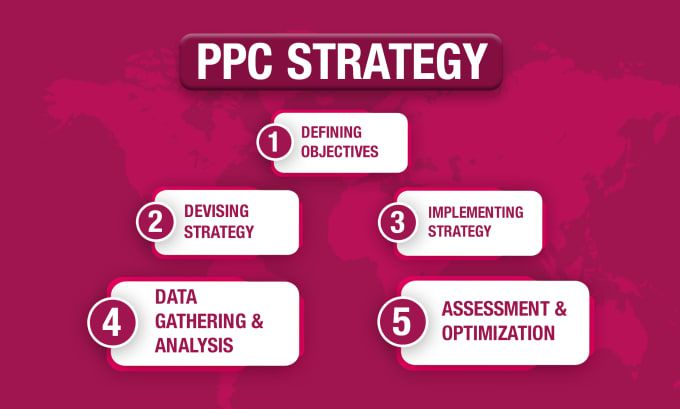
Step-by-Step Guide to PPC Advertising
Step 1: Define Your Marketing Goals
Before creating any campaign, determine exactly what you want to achieve. Your goals may include increasing website traffic, generating leads, boosting online sales, promoting brand awareness, or increasing phone calls.
Clear goals help you choose the right campaign type, budget, keywords, and success metrics.
Step 2: Research Your Target Audience
Understanding your audience is essential for creating effective advertisements. Consider their age, interests, location, buying behavior, income level, and online habits.
Knowing your ideal customer allows you to create highly relevant ads that attract qualified visitors instead of random clicks.
Step 3: Perform Keyword Research
Keywords determine when your advertisements appear. Focus on keywords that closely match your products or services while considering search intent.
Use a combination of:
- Short-tail keywords
- Long-tail keywords
- Commercial intent keywords
- Local keywords
- Brand keywords
Also build a list of negative keywords to prevent your ads from showing for irrelevant searches.
Step 4: Choose the Right PPC Platform
Different platforms serve different business goals.
Popular PPC platforms include:
- Google Search Ads
- Google Display Network
- YouTube Ads
- Microsoft Ads
- Facebook Ads
- Instagram Ads
- LinkedIn Ads
- Pinterest Ads
- TikTok Ads
Select platforms based on where your target audience spends time online.
Step 5: Set Your Budget
Decide how much you’re willing to spend daily or monthly.
Start with a manageable budget and increase spending only after identifying profitable campaigns. Monitor cost per click, conversion rate, and return on ad spend regularly.
Step 6: Write Compelling Ad Copy
Effective advertisements focus on solving customer problems instead of simply describing products.
A strong PPC ad should include:
- Attention-grabbing headline
- Clear value proposition
- Relevant keyword
- Strong call-to-action
- Trust-building language
Your message should encourage users to click while matching their search intent.
Step 7: Create an Optimized Landing Page
Sending visitors to your homepage often reduces conversions. Instead, create dedicated landing pages specifically designed for each advertisement.
An effective landing page should include:
- Clear headline
- Fast loading speed
- Mobile-friendly design
- Persuasive content
- Customer testimonials
- Simple contact form
- Visible call-to-action
Consistency between your advertisement and landing page improves user experience and conversion rates.
Step 8: Launch Your Campaign
Double-check all campaign settings before publishing.
Review:
- Target audience
- Budget
- Keywords
- Geographic targeting
- Device targeting
- Schedule
- Ad copy
- Landing page
Once everything is verified, launch your campaign.
Step 9: Monitor Performance
Never assume a campaign will remain successful without monitoring.
Track important metrics such as:
- Click-through rate
- Cost per click
- Conversion rate
- Cost per acquisition
- Quality Score
- Return on investment
- Return on ad spend
These numbers reveal what’s working and what requires improvement.
Step 10: Optimize Continuously
Successful PPC campaigns require ongoing optimization.
Regularly:
- Pause low-performing keywords
- Increase bids on profitable keywords
- Test new headlines
- Improve landing pages
- Add negative keywords
- Refine audience targeting
- Adjust bidding strategies
Continuous improvements produce better results while reducing advertising costs.
Benefits of PPC Advertising
PPC advertising offers numerous advantages for businesses looking to grow online.
- Immediate website traffic
- Highly targeted audience
- Complete budget control
- Measurable campaign performance
- Faster lead generation
- Increased online sales
- Flexible campaign management
- Strong brand visibility
- Easy A/B testing
- Better return on investment
- Supports SEO efforts
- Suitable for businesses of all sizes
- Local and global targeting
- Detailed audience insights
- Scalable marketing strategy
Disadvantages and Risks
Although PPC advertising offers many benefits, it also comes with several challenges.
- Advertising costs can increase in competitive industries.
- Poor keyword selection wastes budget.
- Incorrect targeting reduces conversions.
- Low-quality landing pages decrease performance.
- Click fraud may affect campaign costs.
- Requires continuous optimization.
- Results stop when advertising budget ends.
- Beginners may overspend without proper planning.
- High competition can increase cost per click.
- Frequent platform updates require ongoing learning.
Common Mistakes to Avoid
Many beginners make avoidable mistakes that reduce campaign performance and waste valuable advertising budgets. One common error is targeting broad keywords without understanding user intent. Broad targeting attracts irrelevant clicks, resulting in higher costs and lower conversion rates. Another frequent mistake is sending visitors to generic homepage content instead of dedicated landing pages designed for specific campaigns.
Ignoring campaign analytics is another major problem. Successful advertisers regularly review performance data, pause underperforming ads, improve winning campaigns, and test different ad variations. Failing to use negative keywords, writing weak headlines, neglecting mobile optimization, setting unrealistic budgets, and abandoning campaigns too early are additional mistakes that prevent long-term PPC success. Learning from these common errors helps maximize advertising performance and achieve better results.
Frequently Asked Questions
1. What does PPC stand for?
PPC stands for Pay-Per-Click. It is an online advertising model where advertisers pay only when someone clicks on their advertisement.
2. Is PPC advertising suitable for beginners?
Yes. PPC advertising is beginner-friendly when you start with small budgets, learn campaign basics, monitor results carefully, and optimize your advertisements over time.
3. How much does PPC advertising cost?
There is no fixed cost. Expenses depend on competition, industry, keywords, location, and campaign objectives. Businesses can control spending by setting daily and monthly budgets.
4. How long does it take to see results?
Unlike SEO, PPC advertising can generate traffic almost immediately after campaign approval. However, optimization usually takes several weeks to improve profitability.
5. Which industries benefit most from PPC advertising?
Almost every industry can benefit, including e-commerce, healthcare, education, finance, legal services, real estate, travel, software, home services, and local businesses.
6. What is a good PPC conversion rate?
A good conversion rate varies by industry, but many successful campaigns achieve conversion rates between 2% and 10%. Continuous optimization can improve these numbers over time.
Expert Tips and Bonus Points
Experienced marketers understand that successful PPC advertising is built on continuous improvement rather than one-time setup. Start with highly targeted keywords instead of broad search terms. Focus on solving customer problems through compelling ad copy and always match advertisements with relevant landing pages. Small improvements in click-through rates and conversion rates can significantly increase overall profitability.
Use A/B testing regularly to compare headlines, descriptions, images, and calls-to-action. Analyze campaign data every week instead of making decisions based on assumptions. Invest in remarketing campaigns to reconnect with previous website visitors, as these audiences often convert at higher rates. Finally, remain patient and treat PPC advertising as an ongoing optimization process rather than a one-time marketing activity.
Conclusion
PPC advertising remains one of the most powerful digital marketing strategies for businesses seeking immediate visibility, targeted traffic, and measurable growth. Its ability to place advertisements in front of people actively searching for products and services creates valuable opportunities to generate leads, sales, and long-term customers. While the platform may seem technical at first, understanding the fundamentals makes campaign management much easier and more effective.
The key to PPC success lies in careful planning, thorough keyword research, compelling advertisements, optimized landing pages, and continuous performance analysis. Businesses that regularly test new strategies, monitor campaign data, and refine their targeting consistently achieve better returns on their advertising investment. Rather than expecting instant perfection, focus on gradual improvements that increase efficiency over time.
Whether you are launching your first campaign or looking to improve existing advertising efforts, following the best practices outlined in this guide will help you build stronger campaigns with greater confidence. PPC advertising is not simply about buying clicks—it is about connecting with the right audience at the right moment using relevant messages that encourage meaningful action. With consistent learning, testing, and optimization, PPC advertising can become one of the most valuable tools in your digital marketing strategy and contribute significantly to your long-term business growth.